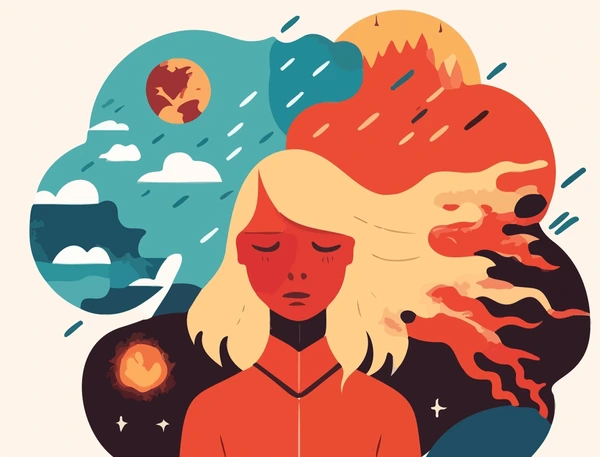
1. Introduction: The Power of Colors in Shaping Human Emotions and Behaviors
Colors are an integral part of our daily lives, subtly influencing our mood, behaviors, and overall sense of happiness. From the vibrant hues of urban landscapes to the colorful wrappers of candies, colors have a profound psychological and biological impact. Scientific studies reveal that certain colors can trigger the release of dopamine, the brain’s “feel-good” neurotransmitter, enhancing our sense of pleasure and well-being. This connection is especially relevant in modern environments—where urban planning and consumer products leverage color psychology to foster happiness, exemplified by cheerful candy packaging and lively cityscapes.
Contents
- The Psychology of Colors: How Visual Cues Affect Our Happiness
- Colors and Happiness: Biological and Cultural Perspectives
- Modern Candy Cheers: The Role of Color in Consumer Happiness
- My Sweet Town: An Illustration of Color Influence in Urban Design
- Beyond Aesthetics: The Science Behind Color Choices in Public Spaces and Products
- Unseen Factors: Deepening the Understanding of Color-Happiness Dynamics
- Practical Applications: Designing Happiness-Enhancing Color Strategies
- Conclusion: Harnessing the Power of Colors to Foster Happiness and Well-Being
2. The Psychology of Colors: How Visual Cues Affect Our Happiness
Color psychology explores how specific hues evoke emotional responses. For example, red is associated with excitement and energy, often increasing heart rate, while green promotes calmness and balance. These associations influence how we feel in different environments—bright yellow can boost optimism, and soothing blue can reduce stress.
However, perceptions of color are not universal. Cultural differences significantly shape emotional responses; white symbolizes purity in Western cultures but signifies mourning in some Asian societies. Additionally, personal experiences and memories influence how individuals respond to colors. For instance, a childhood favorite color might evoke nostalgia and happiness, regardless of its general emotional association.
A practical example is branding: companies choose colors deliberately—like Facebook’s blue to inspire trust or McDonald’s red for excitement—to evoke specific emotional reactions that drive consumer engagement.
Case Study: Color Choices in Branding
| Brand | Color Used | Emotional Impact |
|---|---|---|
| Blue | Trust, calmness | |
| McDonald’s | Red & Yellow | Excitement, appetite stimulation |
3. Colors and Happiness: Biological and Cultural Perspectives
Biological research indicates that colors can directly stimulate neurological pathways associated with pleasure. For example, exposure to warm, vibrant colors like red and orange can activate brain areas linked to reward and motivation. This is partly why we find bright, cheerful colors appealing in environments designed to promote happiness.
Cultural preferences, however, shape how colors are perceived. In some cultures, red symbolizes good fortune and prosperity, making it a favorable choice for festive environments. Conversely, in other cultures, blue may be associated with spirituality or tranquility, influencing urban design and product packaging accordingly.
Urban planning often employs these insights by integrating color schemes that foster positive social interactions. For example, city parks painted with lively colors can encourage outdoor activity and community gathering, ultimately contributing to residents’ happiness.
4. Modern Candy Cheers: The Role of Color in Consumer Happiness
Candy manufacturers leverage color psychology to maximize dopamine release, making confections more appealing and pleasurable. Bright colors like pink, yellow, and turquoise are intentionally used in wrappers and candies to evoke joy and excitement. These hues are not arbitrary; they are selected based on extensive research into how color influences consumer mood.
Historically, traditional candies relied on natural dyes and simpler color schemes. Modern confectionery, however, employs vibrant, artificial colors that are more intense and varied, enhancing visual appeal and triggering stronger dopamine responses.
The result is a more engaging consumer experience, where color-rich candies can boost mood, encourage sharing, and increase sales. This strategic use of color transforms simple treats into emotional boosters, reinforcing the connection between colorful confections and happiness.
5. My Sweet Town: An Illustration of Color Influence in Urban Design
Modern urban environments like My Sweet Town exemplify how vibrant colors can foster joy and social interaction. This town features colorful architecture, recreational spaces painted in lively hues, and themed districts that encourage exploration and community bonding.
Research shows that such colorful urban designs can elevate mood, reduce stress, and promote social cohesion. Bright, cheerful colors in playgrounds and public art create inviting environments that motivate residents and visitors to engage actively with their surroundings.
Safety is crucial in urban planning. Drawing parallels from construction safety practices—such as maintaining clear zones of at least 10 meters around hazardous areas—urban planners establish safety zones that prevent accidents and foster a secure, joyful environment. These foundational principles ensure that vibrancy does not compromise safety, enabling communities to thrive.
6. Beyond Aesthetics: The Science Behind Color Choices in Public Spaces and Products
Thoughtful color schemes in public spaces can improve mental well-being. For example, urban parks with lush greenery combined with calming blue accents can reduce anxiety and encourage relaxation. Similarly, retail environments utilizing warm tones can increase activity levels and social interactions.
Successful examples include city centers painted with cheerful colors that attract visitors and promote economic activity, or hospitals using soothing palettes to aid patient recovery. These strategic color choices are not incidental but grounded in psychological and neurological research, illustrating the importance of intentional design for community happiness.
7. Unseen Factors: Deepening the Understanding of Color-Happiness Dynamics
Light and context significantly influence how we perceive colors. A blue shade may appear different under natural sunlight compared to artificial lighting, affecting its emotional impact. Additionally, childhood memories linked to specific colors—like a favorite toy or room—can evoke happiness or nostalgia later in life.
Looking ahead, personalized and adaptive color environments—such as smart lighting systems that adjust hues based on mood or time of day—offer exciting possibilities for enhancing well-being. These innovations could tailor color experiences to individual preferences, deepening their positive effects.
8. Practical Applications: Designing Happiness-Enhancing Color Strategies
Urban planners and product designers can incorporate these insights by selecting color schemes that foster positive emotions. For example, creating community spaces with vibrant, welcoming colors encourages social interaction, while marketers can use color psychology to make products more appealing.
A practical tip is to use warm, bright colors in spaces meant for activity and socialization, and cooler, muted tones in areas intended for relaxation. Additionally, integrating personal preferences—such as favorite colors—can make environments and products more emotionally resonant.
For instance, transforming a neighborhood with carefully chosen colors—like painting benches in cheerful yellow or murals in uplifting hues—can significantly boost residents’ happiness and community spirit. Learn more about innovative urban design and engaging environments at mysweettown-apk.top.
9. Conclusion: Harnessing the Power of Colors to Foster Happiness and Well-Being
Understanding how colors influence our emotions is vital for creating environments that promote happiness. Whether in urban planning or consumer products, intentional color choices grounded in scientific research can enhance mental well-being, social cohesion, and overall life satisfaction.
Colors serve as a powerful tool—shaping personal experiences and community dynamics. As exemplified by modern towns like My Sweet Town, strategic use of vibrant hues can transform ordinary spaces into joyful, engaging environments that foster a sense of belonging and happiness.
“Colors are not just visual stimuli—they are emotional catalysts, capable of transforming spaces and lives.”
By harnessing the science of color psychology and neurobiology, we can craft environments that nurture happiness, promote social interaction, and enrich our daily lives. Whether through vibrant urban landscapes or colorful candies, intentional color use remains a potent path toward a more joyful modern world.
Leave a Reply